
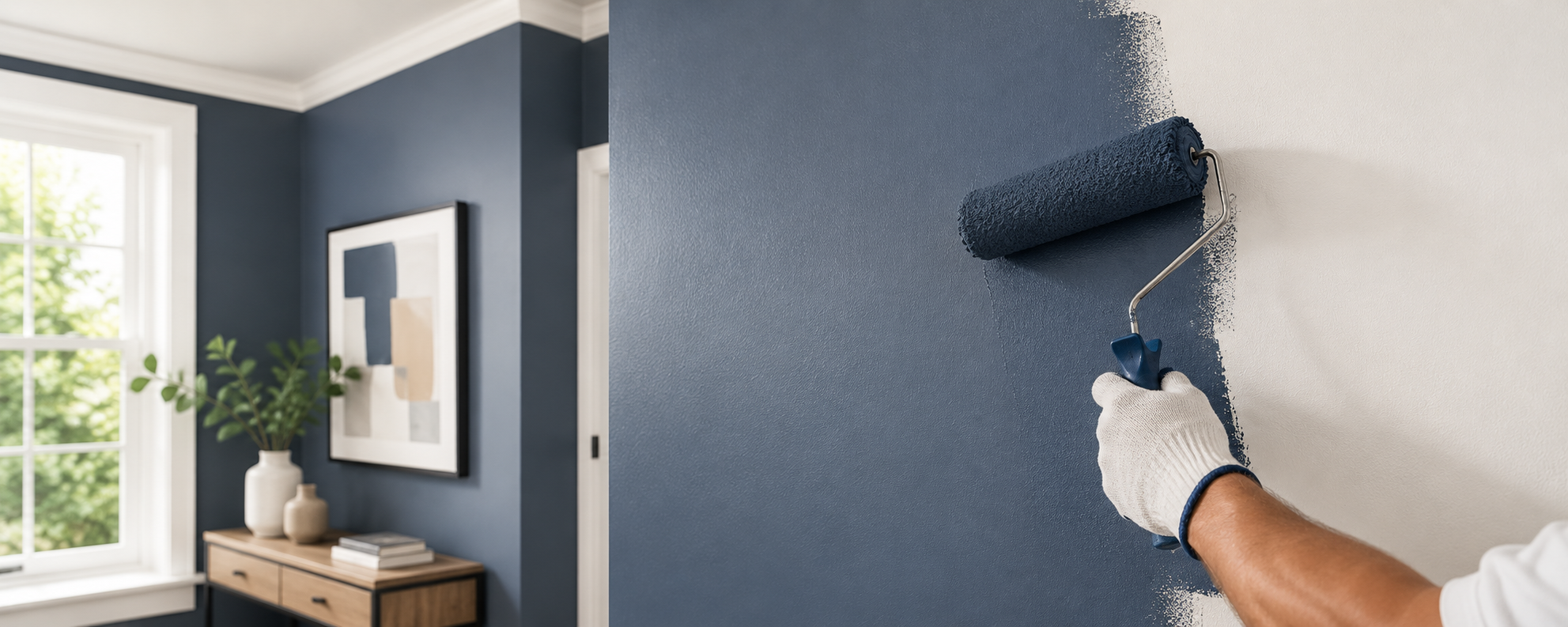
Search “interior painting repair Coquitlam” and you are usually looking at a wall that needs more than a fresh coat — a crack, a hole, a water stain, or paint that is peeling faster than it should. Paint does not fix any of that. It just shows it off more clearly under the first coat of a different colour. This guide covers the repair side of interior painting: the damage Coquitlam homeowners run into most, how proper prep actually works, when it is a reasonable DIY afternoon, and when it is worth calling a handyman before you touch a roller.
Why Wall Repair Has to Happen Before You Paint
Paint is not a patching compound, and it is not forgiving. A hairline crack telegraphs straight through a fresh coat. An unpatched nail hole is still a hole, just a painted one. And a texture mismatch between an old wall and a new patch is invisible until the light hits it at the wrong angle — which it eventually will. Every professional paint job follows the same order for a reason: repair, sand, prime, then paint. Skipping straight to paint just means redoing it sooner.
Common Wall Damage Coquitlam Homeowners Repair Before Painting
Before any interior painting job, a wall usually needs one or more of these addressed:
- Nail and anchor holes. Picture hooks, shelving brackets and old TV mounts left behind after rearranging or moving in.
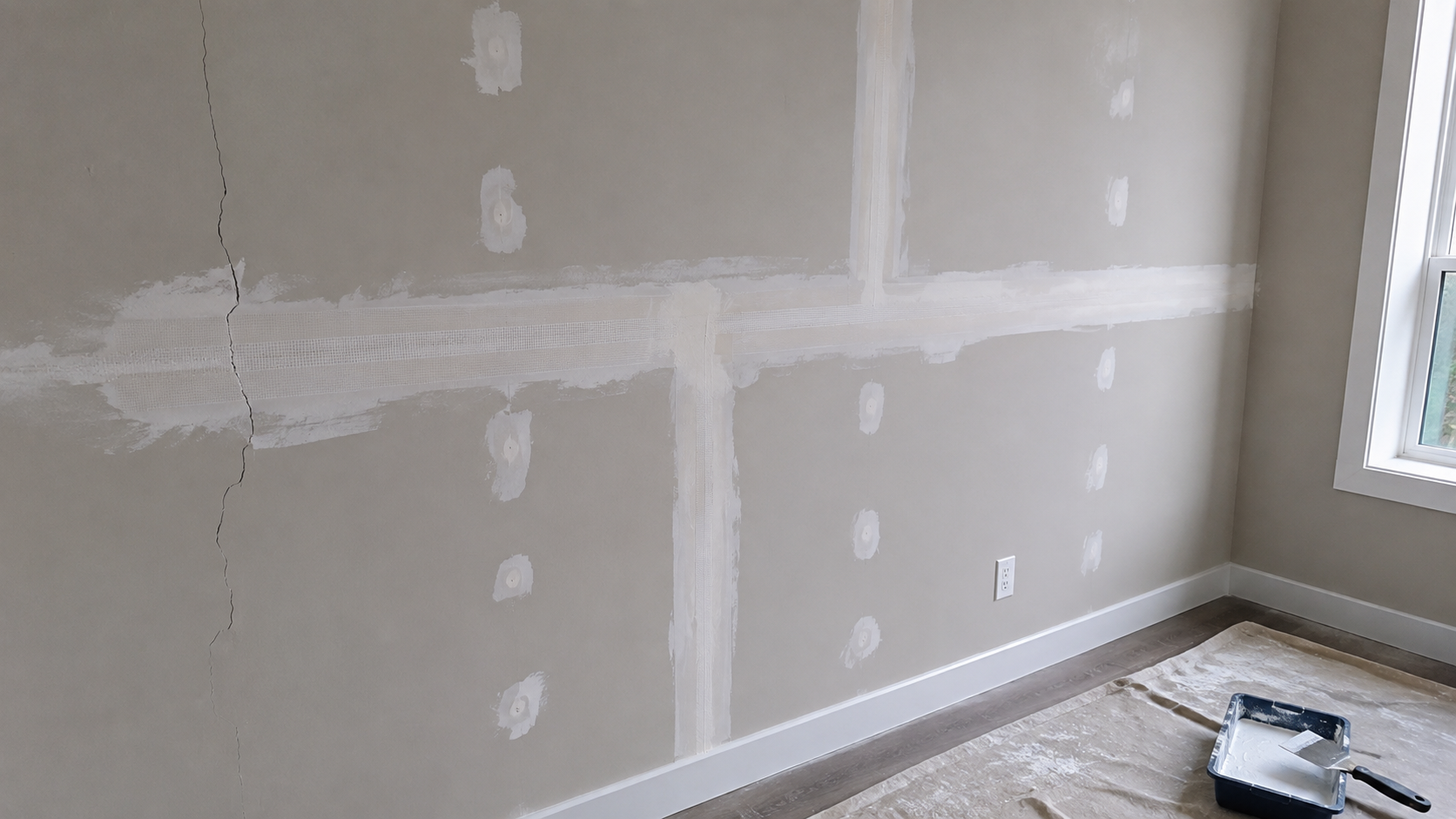
- Hairline and settling cracks. Common around door and window corners, and along drywall seams, especially in homes that have gone through a few seasons of humidity swings.
- Larger holes and dents. Doorknob dents, furniture damage, or anything that has gone through the drywall paper rather than just denting it.
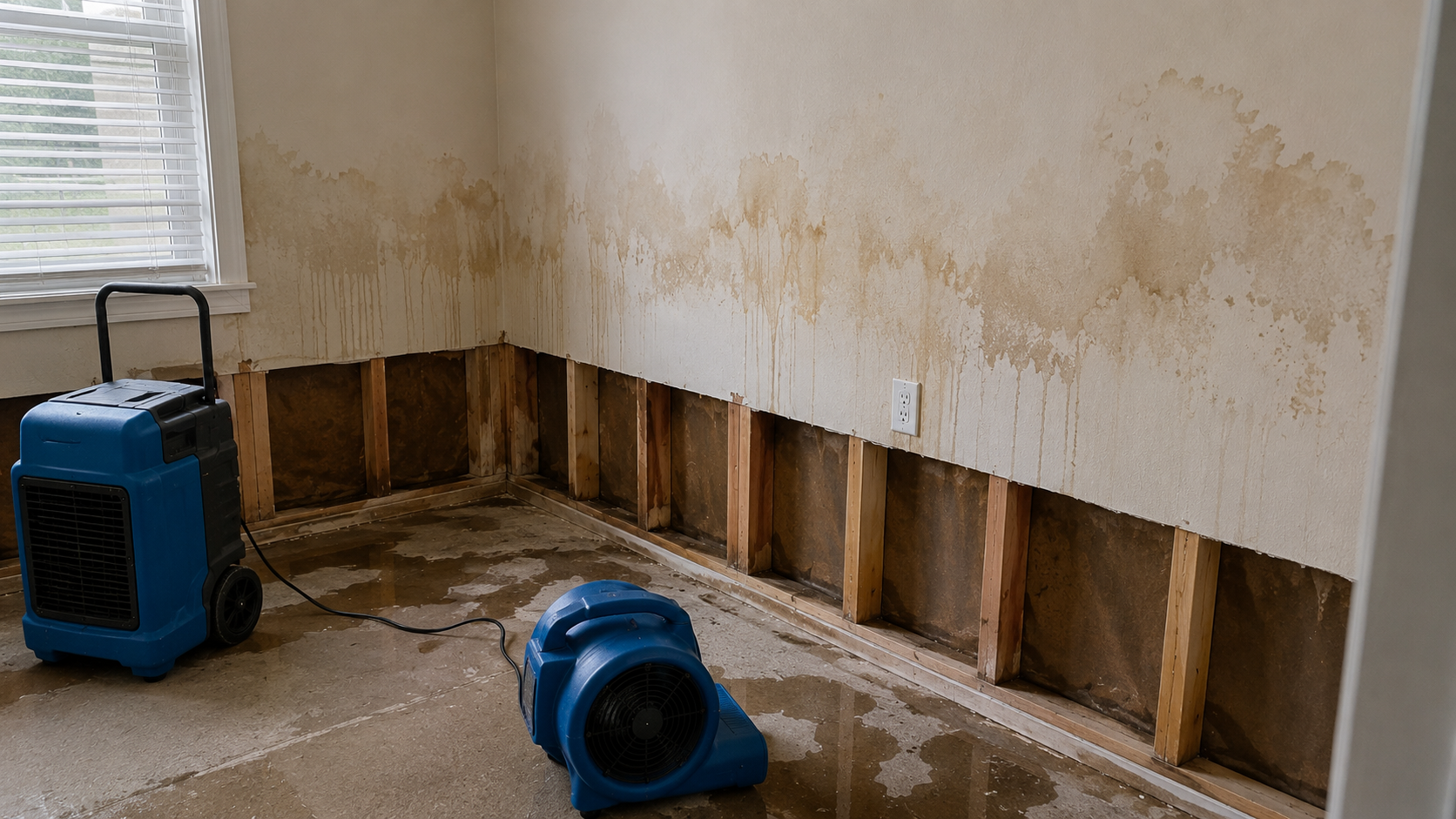
- Water stains and soft or damaged drywall. Usually from a past leak, condensation, or a window or roof issue that has since been fixed but left a mark.
- Peeling, bubbling or chalky old paint. Paint that will not hold a new coat until the underlying problem is dealt with.
Peeling, Bubbling or Flaking Paint: What’s Actually Going On
Paint failure is almost always a symptom, not the actual problem. The usual causes are moisture getting into the wall from behind, paint applied over a dirty or glossy surface it could not bond to, or one too many old paint layers finally giving up. Painting over any of these without addressing the cause just buys a few months before it happens again.
If the damage is limited to a section of wall — a bit of bubbling near a window, a patch that has gone soft — that is a repair-and-repaint job. If you are looking at a wider area of staining, a musty smell, or drywall that has stayed damp for a while, that has crossed into moisture and possible mould territory, which is worth understanding before anyone paints over it. Health Canada’s guidance on moisture and mould is a good place to start if you are unsure which side of that line you are on.
How Wall Repair and Paint Prep Actually Works
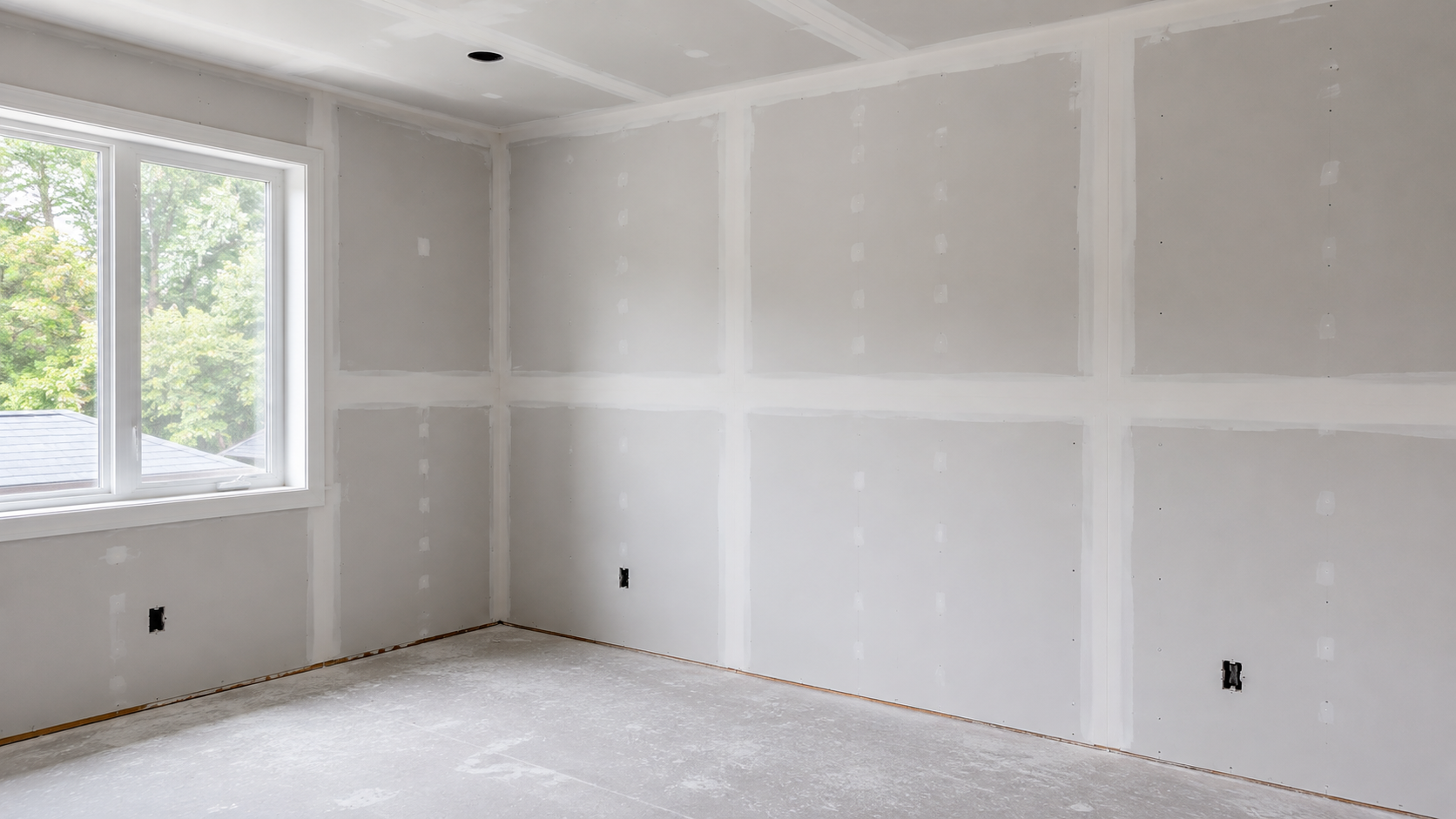
Good prep follows the same steps whether it is one patch or a whole room:
- Clean and assess. Dust and grease stop paint and patching compound from bonding properly.
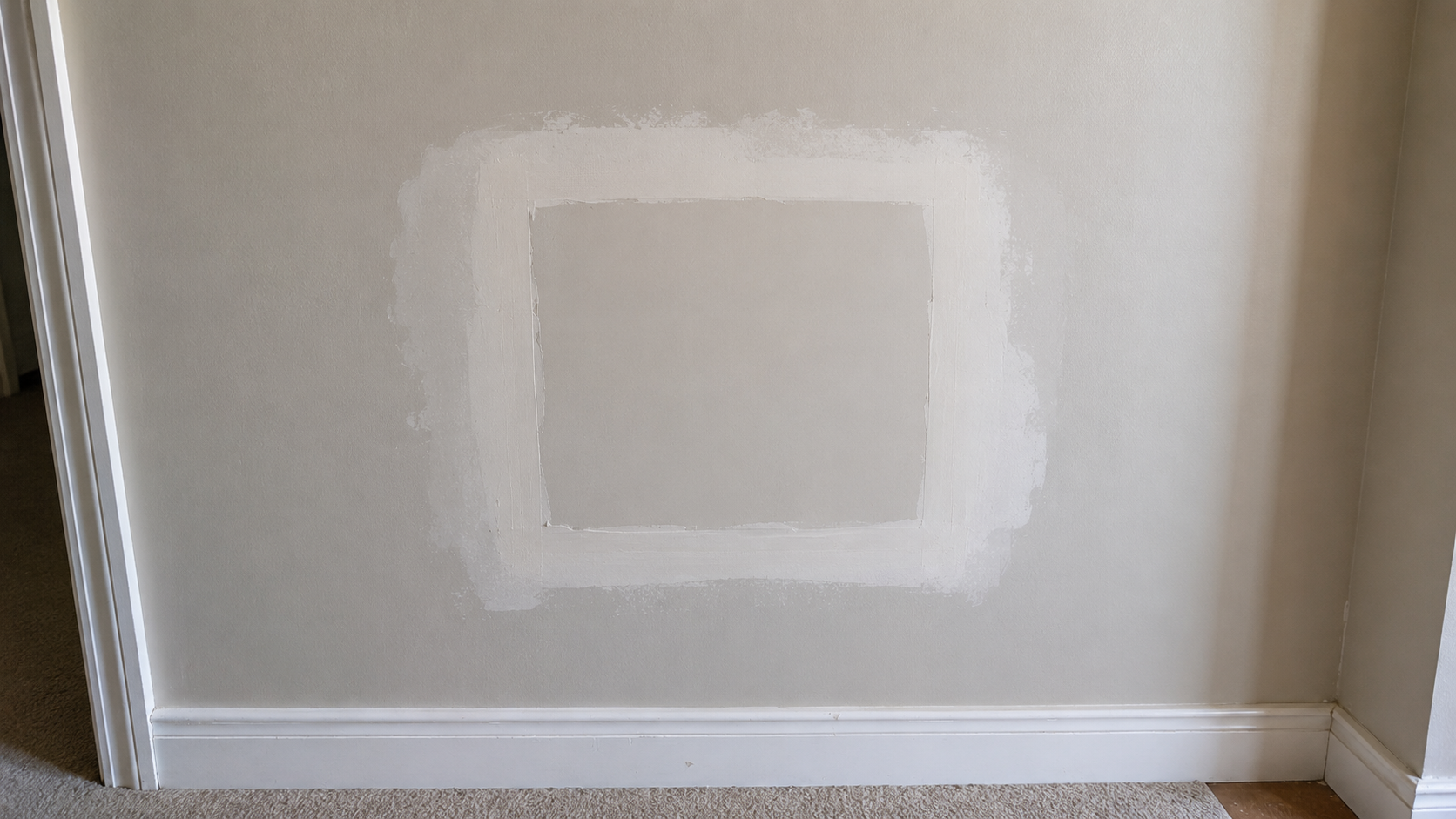
- Repair. Mesh tape and joint compound for cracks, a patch for holes, and enough coats to build the area level with the surrounding wall.
- Sand smooth. This is the step most rushed DIY jobs skip, and it is the one that decides whether a patch is visible once the paint goes on.
- Match the texture. A perfectly smooth patch on a wall with any texture will show as a flat spot the moment light crosses it.
- Prime the patch. Bare compound absorbs paint differently than the surrounding wall, which is exactly what causes that dull, flat “ghost patch” look if you skip it.
- Paint, cutting in edges cleanly. The actual painting is usually the fastest step once everything underneath it is done properly.
Matching Texture Without Leaving a Visible Patch
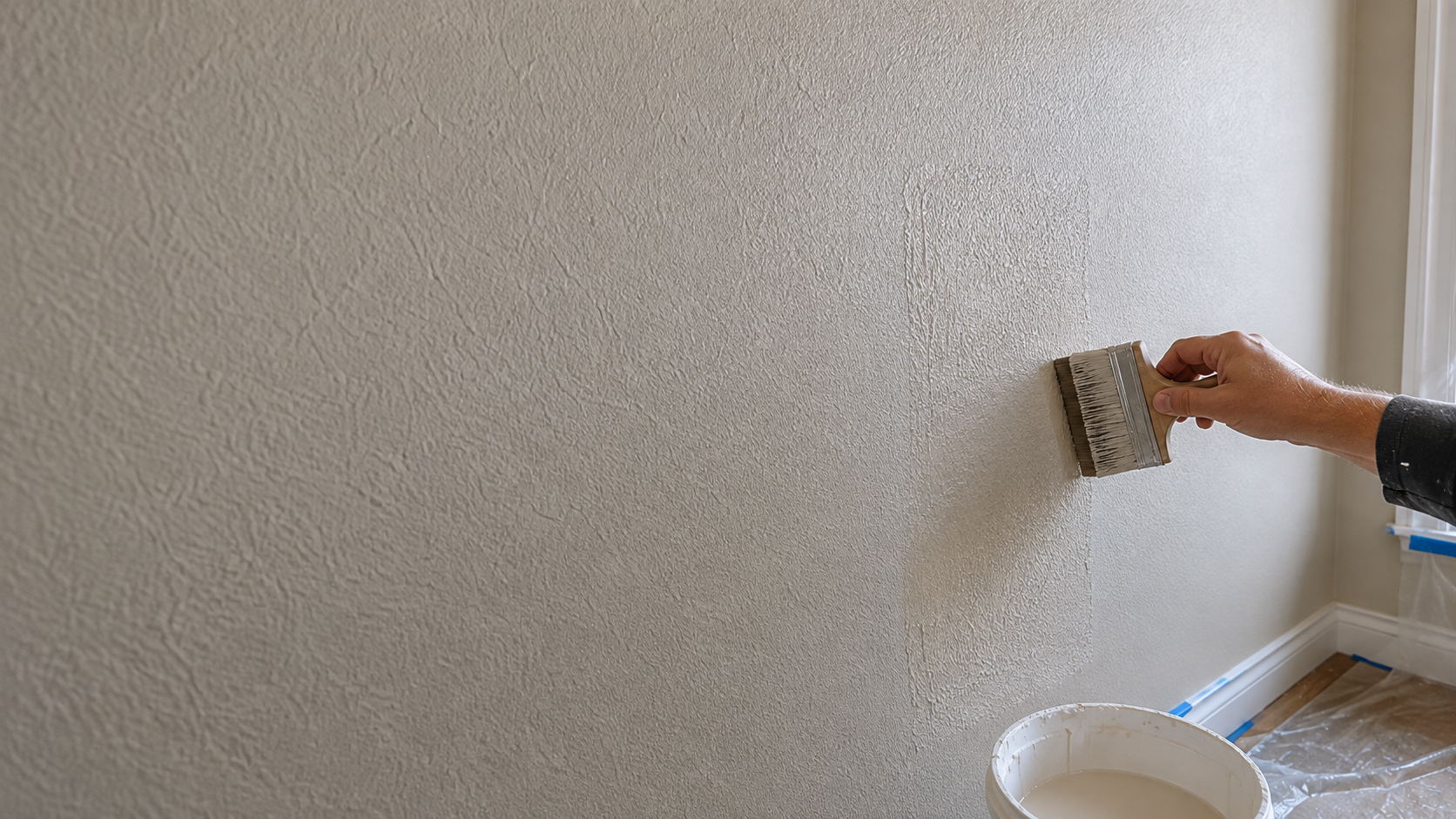
Texture is where most DIY repairs give themselves away. Orange peel, knockdown and smooth finishes all need a different technique to blend in, and a patch that is structurally perfect but texturally flat will still catch the eye. It usually takes a light touch with the right tool — a brush, a sponge or a texture roller — feathered out past the edge of the repair rather than stopping sharply at it.
One more thing worth knowing if your Coquitlam home was built before roughly 1990: older paint layers can contain lead, and sanding or scraping them dry can create dust you do not want to breathe. Health Canada’s guidance on reducing lead exposure covers what to check for and how to handle it safely before sanding into old paint.
DIY vs. Hiring a Handyman for Interior Painting Repair
DIY usually works fine for:
- A handful of nail holes or small anchor holes
- One small, contained patch on a wall with little or no texture
- A touch-up on a wall you are repainting the same colour anyway
Hiring a handyman makes more sense when:
- The wall has texture that needs to be matched, not just filled
- There are multiple cracks, holes or stained patches across more than one room
- The finish genuinely matters — a hallway, a living room, anywhere guests will see it
- You are not sure whether the damage is cosmetic or points to something behind the wall
- You want the repair, prime and paint done in one visit instead of spread across a week of drying time between steps
How HANDYGO Handles Interior Painting Repair in Coquitlam
HANDYGO repairs walls and paints them — not just one or the other. That matters here, because handing a paint job to someone who did not do the drywall repair often means a mismatched touch-up down the line. Our drywall repair and painting services cover the whole sequence in a single booking:
- Patching nail holes, cracks, dents and larger drywall damage
- Sanding and texture-matching so the repair disappears under paint, not just under a light
- Priming patched areas properly before topcoat
- Full-room repaints or targeted touch-ups on just the walls that need it
- An honest assessment if damage points to moisture or an issue beyond a standard repair
We work across Coquitlam, Port Coquitlam, Port Moody, Burnaby and New Westminster, and if a job needs more than paint and drywall — a door that sticks, trim that needs replacing, a shelf that has to go up first — the same visit can usually cover it through our broader handyman services.
Got a wall that needs fixing before it gets painted? Get a free, no-obligation quote or call (604) 760-4292 and describe what you’re looking at.
Frequently Asked Questions About Interior Painting Repair
Do I need to repair drywall before painting, or can paint cover minor damage?
Paint will not hide cracks, holes or texture differences — it usually makes them more visible once a fresh, uniform colour is next to an unrepaired flaw. Any damage beyond very light surface wear should be patched, sanded and primed before painting.
Can you match wall texture when patching a repair?
Yes. Matching orange peel, knockdown or smooth texture is a standard part of drywall repair before painting, and it is the difference between a patch that disappears and one that is obvious from across the room.
How much does interior painting repair cost in Coquitlam?
It depends on the size and number of repairs and whether a full room is being repainted or just touched up. Contact us with a description or a couple of photos and we will quote it honestly.
How long does wall repair and painting take?
A small patch can be repaired, primed and painted in a single visit. Larger repairs need drying time between coats of joint compound, so a bigger job may be spread across a day or two even though the actual working time is short.
Do you repair water-damaged or mouldy drywall before painting?
We handle water-damaged drywall repair once the source of moisture is fixed and the area is dry. Active leaks or significant mould should be addressed by the appropriate specialist first — we will tell you honestly if that is the situation before doing any repair work.
What areas around Coquitlam does HANDYGO serve?
Coquitlam, Port Coquitlam, Port Moody, Burnaby and New Westminster.
Get the Repair Right, and the Paint Job Follows
Most interior painting problems that bother homeowners are not really paint problems. They are repair problems that paint made visible. Handle the crack, the hole or the water stain properly first, and an ordinary paint job finishes the story instead of covering it up temporarily.
If you have walls in your Coquitlam home that need repair before they are ready for paint, get your free, no-obligation quote today, or call (604) 760-4292. Mon–Sat, 8am–6pm.
